Web push provisioning: add cards to a wallet without an app
The moments between issuing a card and a cardholder using it for the first time are where programmes are won or lost. The faster a card lands in a digital wallet, the more it gets used. Web push provisioning is the shortest path there.
It lets a cardholder add a card to Apple Pay or Google Wallet straight from a mobile browser, the moment they receive or discover it, with no app to install and no account to create. It is one method within the broader category of digital provisioning, and it is the one that opens the most new doors, because it works for programmes that an app-led model leaves out entirely.
What web push provisioning actually does
Push provisioning is the act of loading a card into a digital wallet so it can be used to pay. The familiar version happens inside an app: tap "add to Apple Pay", confirm, done. Web push provisioning delivers the same result through a web browser instead.
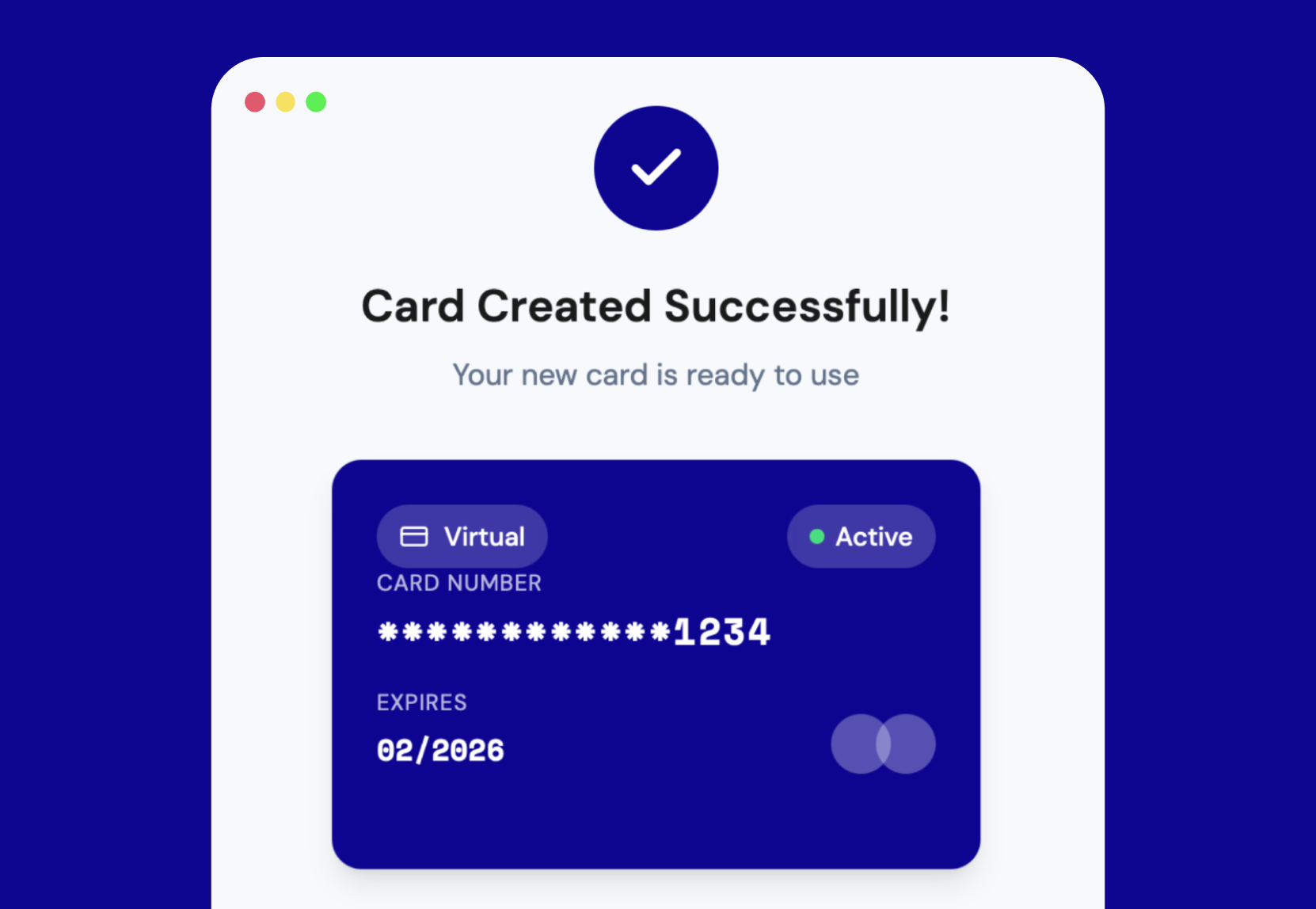
The cardholder journey is short. They receive a card by email, SMS, or QR code, or discover it on a web page. They open a secure web view and see the card. They add it to Apple Pay or Google Wallet in under a minute. Then they spend it online or in store straight away, and check the balance and transactions from the same link.
No app download. No login. No hunting for a wallet screen buried three taps deep. The card moves from "issued" to "ready to spend" in a single sitting, which is exactly where time-to-first-transaction and wallet adoption are won.
The use cases clients are asking about
When programme teams see web push provisioning in action, the reaction is consistent: they want to go deeper. These are the use cases driving the most commercial interest.
Insurance payouts. An insurer settles a claim and needs funds with the policyholder fast. A secure link puts a usable card in the wallet immediately, with no wait for plastic and no app to install. For insur-tech and traditional carriers alike, that is a trust-building moment at exactly the point where customer experience counts most.
Airline disbursements. A flight is cancelled, luggage goes missing, or a passenger is owed compensation. The airline sends a link, the passenger adds a prepaid card to their wallet, and they can spend it while they are still at the airport. No paperwork, no waiting on a bank transfer, no app download in a moment of frustration.
Travel, expense, and events. Corporate travel cards, conference spend, incentive programmes, meetings and events. An employee, contractor, or attendee receives a card and adds it to Apple Pay or Google Wallet on the spot. Faster rollout, lower support cost, nothing to remember. It works especially well for people who use the card only occasionally or for a fixed period, where asking them to install an app would be overkill.
Gift and prepaid cards. A recipient opens a link, sees the card, and adds it to their wallet without creating an account. Faster redemption lifts both perceived value and conversion, and the card turns from "nice gift" into a ready-to-use payment instrument instantly. A strong fit for marketplaces, loyalty, and benefit platforms.
The segments it opens up
The most interesting thing about web push provisioning is not the mechanism. It is the conversations it starts. When programme teams see what an app-less wallet journey makes possible, the response tends to be the same: "we never thought we could go after that segment."
A few that come up again and again:
- AI-native and digital-first businesses. Fast-moving companies that want a lightweight, web-based way to put a card in a customer's hands, without committing to a full consumer app build. Exactly the clients an app-led model quietly turns away.
- Universities. Students, staff, stipends, research grants, campus expenses. Large, transient populations where asking everyone to download an app is friction nobody wants.
- Maritime, travel agencies, and distributed workforces. Crews on ships, freelance guides on overseas assignments, field teams who need controlled card access, travel, and expenses, without conventional mobile-app onboarding.
- Government disbursements. Benefit payments for unemployed individuals, refugees, or other targeted groups, often on cards restricted by merchant category code. Also one-off subsidies and targeted payouts, where building a full app for a short-lived or narrowly scoped programme would never stack up.
- The pattern across all of them is the same: a native app is absent, unnecessary, or actively unwanted. Web push provisioning is what makes those programmes viable, which is why the value is strategic, not just operational. It is a way to reach customer segments that were previously out of reach.
Already have in-app push? This still adds reach
A common assumption is that web push provisioning only matters for programmes without a mobile app. It does not.
In-app push and web push serve different segments. The app-led journey is great for engaged, repeat users who already have the app installed. But plenty sits outside that: one-off disbursements, occasional-use corporate cards, link-based distribution, or reaching people who will never download the app. Offer both routes and a programme covers its core app users and the long tail where an app is not the right entry point. Once teams see the two side by side, the case for running both tends to make itself.
It also takes cost out
There is an operational dividend underneath the growth story. Because the journey can start from a link sent by email, SMS, or QR code, web push provisioning can reduce reliance on heavier verification steps such as SMS one-time passcodes. Fewer OTP steps means less verification friction and lower per-message cost, which adds up fast across a large programme.
Where it sits in the digital provisioning picture
Digital provisioning is the umbrella term for getting a card into a wallet and ready to transact, covering instant issuance, tokenisation, and wallet enrolment. Push provisioning is the wallet-enrolment piece. Web push provisioning is the app-less route to it. Most issuers already do in-app push; web push extends the same outcome to desktop-first users, link recipients, and the no-app programmes above.
For programme teams, the question is no longer whether digital wallets should be supported. It is how frictionless that first click can be, and how many new segments open up once the app stops being a requirement.
See it on your own programme
The fastest way to understand web push provisioning is to watch a card go from a link to a live wallet in under a minute. That is the demo, and it tends to change the conversation, because the use cases people care about become obvious the moment they see the journey.
So start there. Tell us what you are building and the segment you are trying to reach, and we will walk the end-to-end flow against your use case, from the link that lands with your cardholder to the card sitting in Apple Pay or Google Wallet. No app, no account, no waiting on plastic.
Talk to our team about web push provisioning.